.png)
What if the greatest risk to your company is not the competition, but your own internal "blind spots"?
Well, the logic behind inclusive leadership is to identify these mental gaps so you can make fairer and faster decisions. It is about creating a culture where people from all backgrounds feel they have a voice and a seat at the table.
In this post, we will discuss how to transform your present leadership style. We will look at the six signature traits of inclusive leadership and provide a roadmap for your professional growth. Additionally, we will discuss how to increase your tolerance for ambiguity as your team grows.
Key Takeaways
- Active Commitment: Leaders must treat diversity and inclusion as a personal priority, not just a policy.
- Moral Courage: You must be willing to challenge the status quo and admit your own mistakes.
- Bias Awareness: Identifying your own cognitive biases is the only way to ensure fair decision-making.
- Deep Curiosity: A great leader listens to understand and has a high tolerance for ambiguity.
- Cultural Fluency: Being culturally intelligent allows you to manage cross-cultural interactions with ease.
- Empowered Collaboration: Success comes from creating psychological safety where every team member feels safe to contribute.
1. Visible Commitment
The first of the six signature traits of inclusive leadership is a deep, visible commitment. This trait goes beyond a mission statement. It is about a leader’s personal "why."
- Priority Setting: You must make diversity and inclusion a core part of your business strategy. This means talking about it in every meeting, not just once a year.
- Accountability: Hold yourself and your managers accountable for diversity goals. Use data to track progress.
- Investment: Spend time and money on training and mentoring. If you do not invest, your team will not believe you are serious.
2. Deep Courage
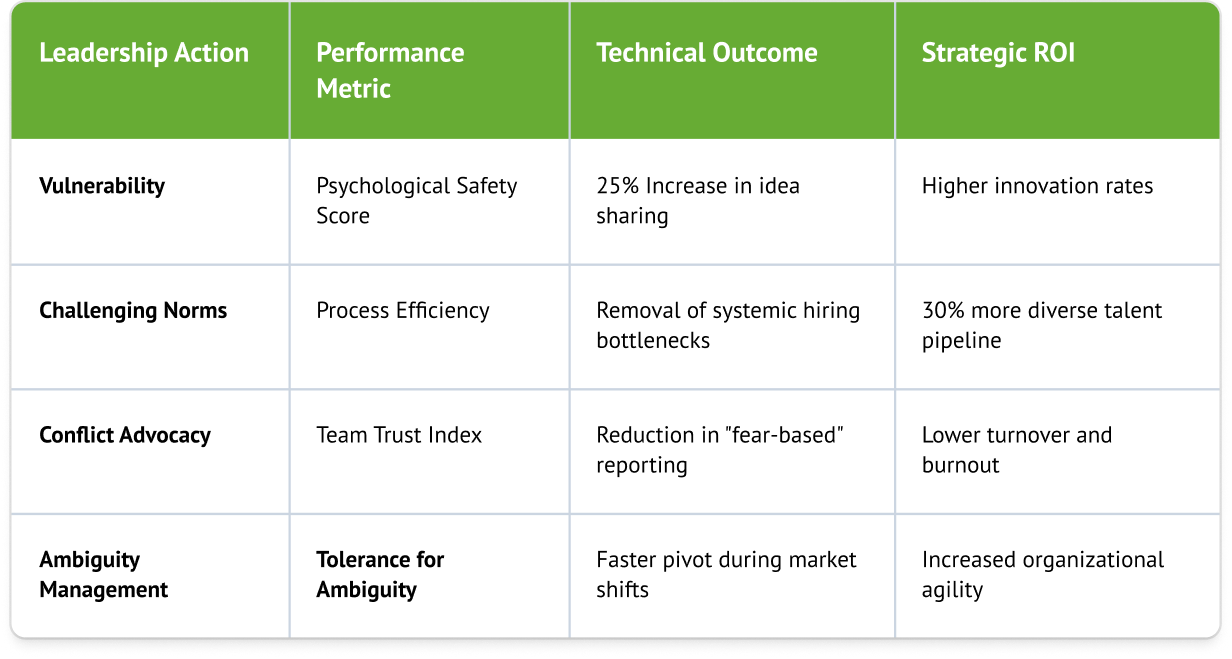
It takes immense courage to change the way things have always been done. An inclusive leader is brave enough to be vulnerable and prioritize the needs of the team over their own ego.
This second pillar of inclusive leadership requires you to move beyond your comfort zone and act as a shield for your employees.
- Intellectual Humility: You must admit that you do not have all the answers. A great leader knows that vulnerability makes it safe for others to contribute their own ideas.
- Confronting Non-Inclusive Behavior: You must call out bias or exclusion when it happens, even if it is socially awkward. This demonstrates to your team that you prioritize their safety above your own comfort.
- Challenging the Status Quo: You must be willing to dismantle outdated corporate systems that no longer serve their purpose. This involves questioning "the way we’ve always done it" to find fair paths forward.
- Personal Accountability: When you make a mistake or show bias, you must own it publicly. Taking responsibility sets a clear standard for honesty and growth within the team.
- Risk-Taking in Talent Management: You should advocate for high-potential individuals who may not have a traditional background. This helps you find "hidden gems" and increases diversity and inclusion.
- Resilience Against Pushback: Culture change often meets resistance from peers. You must stay committed to your values even when exposed to political pressure within the organization.
The Impact of Courageous Leadership
3. Recognizing Bias
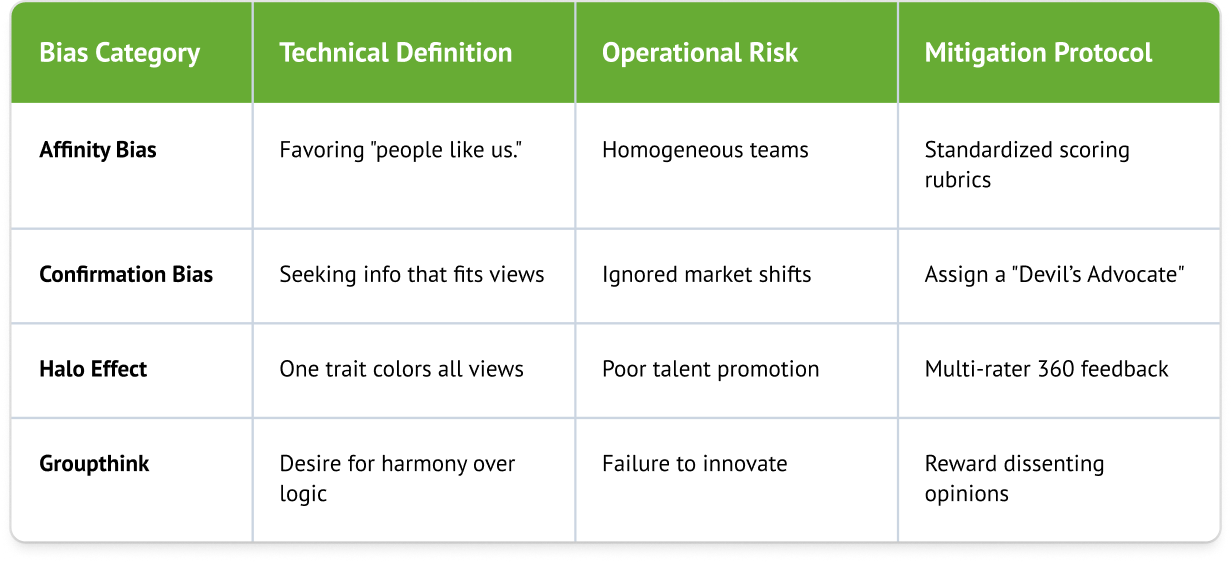
Human brains use shortcuts to speed up information processing. These shortcuts are called biases. An inclusive leader must be able to spot mental errors before they lead to unwise choices
- Identifying Blind Spots: You must learn about "affinity bias." This is the tendency to like people who are just like you.
- Systemic Changes: You must change your processes to hide bias. For example, use "blind" resumes that remove names and photos.
- Feedback Loops: Ask your team for honest feedback on your fairness. Listen to their answers without getting defensive.
4. Curiosity
Curiosity is the desire to learn from others, and curious leaders have a high tolerance for ambiguity. They do not panic when they do not have all the facts.
- Open Mindset: You should ask more questions than you give answers. This helps you find new solutions you never thought of.
- Empathy: Your employees can help you see the world from their perspective. This builds trust and team engagement.
- Active Listening: Focus entirely on the speaker. Do not think about what you will say next while they are talking.
Mitigating Cognitive Bias in Executive Decisions
5. Cultural Intelligence
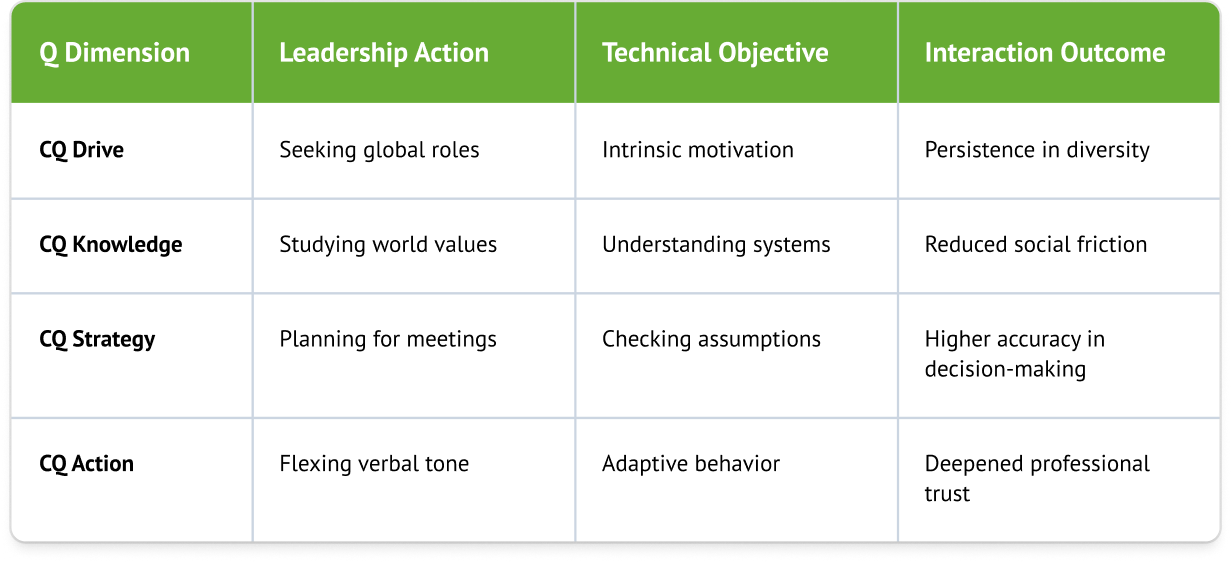
This is the ability to work well with people from different backgrounds and countries
- Cultural Knowledge: You must learn the norms of different cultures. For example, some cultures value direct feedback, while others find it rude.
- Strategic Drive: You show a genuine interest in learning about other ways of life. You do not see cultural differences as a hurdle to overcome.
- Behavioral Flexibility: You can change your communication style based on who you are talking to. This makes your cross-cultural interactions more effective.
- Self-Awareness: You must understand how your own culture affects the way you lead. You recognize that your way is not the only way.
- Tolerance for Ambiguity: You handle the confusion of cultural clashes with patience. You do not rush to judgment when someone acts differently than you expect.
- Cognitive Adaptability: You can quickly switch your mental framework. This helps you solve problems in global settings where rules might be different.
6. Effective Collaboration
Collaboration is the final piece of the six signature traits of inclusive leadership. It is about maximizing the "Collective IQ" of the group.
- Building Psychological Safety: You can make it safe for people to speak up without fear of being punished. This is where the most creative ideas come from.
- Empowering the Minority: You ensure even the quietest voices are heard. You do not let one person dominate the conversation.
- Leveraging Diversity: Intentionally bring people with different skills on the same project. As a result, the collective IQ is higher than that of any individual.
The CQ (Cultural Intelligence) Framework
Transitioning to Inclusive Leadership
Becoming an inclusive leader requires moving from theory to action. Follow these steps to integrate these behaviors into your daily workflow. To deepen your leadership capabilities, explore structured leadership inclusion training.
Becoming an inclusive leader requires moving from theory to action. Follow these steps to integrate these behaviors into your daily workflow:
- Audit Team Dynamics: Identify technical signals, such as quiet team members or a lack of diversity and inclusion in your hiring data.
- Embrace Uncertainty: Develop a high tolerance for ambiguity. Accepting that there is rarely one "right" way invites more effective collaboration.
- Track Progress: Use employee surveys to measure how your growth as a great leader correlates with higher team productivity.
Treating these traits as skills ensures measurable, high-performance results. To deepen your leadership capabilities, explore structured leadership inclusion training.
Key Takeaways
- Active Commitment: Leaders must treat diversity and inclusion as a personal priority, not just a policy.
- Moral Courage: You must be willing to challenge the status quo and admit your own mistakes.
- Bias Awareness: Identifying your own cognitive biases is the only way to ensure fair decision-making.
- Deep Curiosity: A great leader listens to understand and has a high tolerance for ambiguity.
- Cultural Fluency: Being culturally intelligent allows you to manage cross-cultural interactions with ease.
- Empowered Collaboration: Success comes from creating psychological safety where every team member feels safe to contribute.
1. Visible Commitment
The first of the six signature traits of inclusive leadership is a deep, visible commitment. This trait goes beyond a mission statement. It is about a leader’s personal "why."
- Priority Setting: You must make diversity and inclusion a core part of your business strategy. This means talking about it in every meeting, not just once a year.
- Accountability: Hold yourself and your managers accountable for diversity goals. Use data to track progress.
- Investment: Spend time and money on training and mentoring. If you do not invest, your team will not believe you are serious.
2. Deep Courage
It takes immense courage to change the way things have always been done. An inclusive leader is brave enough to be vulnerable and prioritize the needs of the team over their own ego.
This second pillar of inclusive leadership requires you to move beyond your comfort zone and act as a shield for your employees.
- Intellectual Humility: You must admit that you do not have all the answers. A great leader knows that vulnerability makes it safe for others to contribute their own ideas.
- Confronting Non-Inclusive Behavior: You must call out bias or exclusion when it happens, even if it is socially awkward. This demonstrates to your team that you prioritize their safety above your own comfort.
- Challenging the Status Quo: You must be willing to dismantle outdated corporate systems that no longer serve their purpose. This involves questioning "the way we’ve always done it" to find fair paths forward.
- Personal Accountability: When you make a mistake or show bias, you must own it publicly. Taking responsibility sets a clear standard for honesty and growth within the team.
- Risk-Taking in Talent Management: You should advocate for high-potential individuals who may not have a traditional background. This helps you find "hidden gems" and increases diversity and inclusion.
- Resilience Against Pushback: Culture change often meets resistance from peers. You must stay committed to your values even when exposed to political pressure within the organization.
The Impact of Courageous Leadership
3. Recognizing Bias
Human brains use shortcuts to speed up information processing. These shortcuts are called biases. An inclusive leader must be able to spot mental errors before they lead to unwise choices
- Identifying Blind Spots: You must learn about "affinity bias." This is the tendency to like people who are just like you.
- Systemic Changes: You must change your processes to hide bias. For example, use "blind" resumes that remove names and photos.
- Feedback Loops: Ask your team for honest feedback on your fairness. Listen to their answers without getting defensive.
4. Curiosity
Curiosity is the desire to learn from others, and curious leaders have a high tolerance for ambiguity. They do not panic when they do not have all the facts.
- Open Mindset: You should ask more questions than you give answers. This helps you find new solutions you never thought of.
- Empathy: Your employees can help you see the world from their perspective. This builds trust and team engagement.
- Active Listening: Focus entirely on the speaker. Do not think about what you will say next while they are talking.
Mitigating Cognitive Bias in Executive Decisions
5. Cultural Intelligence
This is the ability to work well with people from different backgrounds and countries
- Cultural Knowledge: You must learn the norms of different cultures. For example, some cultures value direct feedback, while others find it rude.
- Strategic Drive: You show a genuine interest in learning about other ways of life. You do not see cultural differences as a hurdle to overcome.
- Behavioral Flexibility: You can change your communication style based on who you are talking to. This makes your cross-cultural interactions more effective.
- Self-Awareness: You must understand how your own culture affects the way you lead. You recognize that your way is not the only way.
- Tolerance for Ambiguity: You handle the confusion of cultural clashes with patience. You do not rush to judgment when someone acts differently than you expect.
- Cognitive Adaptability: You can quickly switch your mental framework. This helps you solve problems in global settings where rules might be different.
6. Effective Collaboration
Collaboration is the final piece of the six signature traits of inclusive leadership. It is about maximizing the "Collective IQ" of the group.
- Building Psychological Safety: You can make it safe for people to speak up without fear of being punished. This is where the most creative ideas come from.
- Empowering the Minority: You ensure even the quietest voices are heard. You do not let one person dominate the conversation.
- Leveraging Diversity: Intentionally bring people with different skills on the same project. As a result, the collective IQ is higher than that of any individual.
The CQ (Cultural Intelligence) Framework
Transitioning to Inclusive Leadership
Becoming an inclusive leader requires moving from theory to action. Follow these steps to integrate these behaviors into your daily workflow. To deepen your leadership capabilities, explore structured leadership inclusion training.
Becoming an inclusive leader requires moving from theory to action. Follow these steps to integrate these behaviors into your daily workflow:
Last Words
At its core, inclusive leadership is about respecting the human element within a technical framework.
When you prioritize diversity and inclusion, you create a workspace where everyone feels safe to contribute their best work.
Being a great leader means having the courage to listen and the curiosity to learn from every team member. Use these traits of inclusive leadership to build a legacy of trust, high performance, and lasting success for your organization.
Last Words
At its core, inclusive leadership is about respecting the human element within a technical framework.
When you prioritize diversity and inclusion, you create a workspace where everyone feels safe to contribute their best work.
Being a great leader means having the courage to listen and the curiosity to learn from every team member. Use these traits of inclusive leadership to build a legacy of trust, high performance, and lasting success for your organization.